
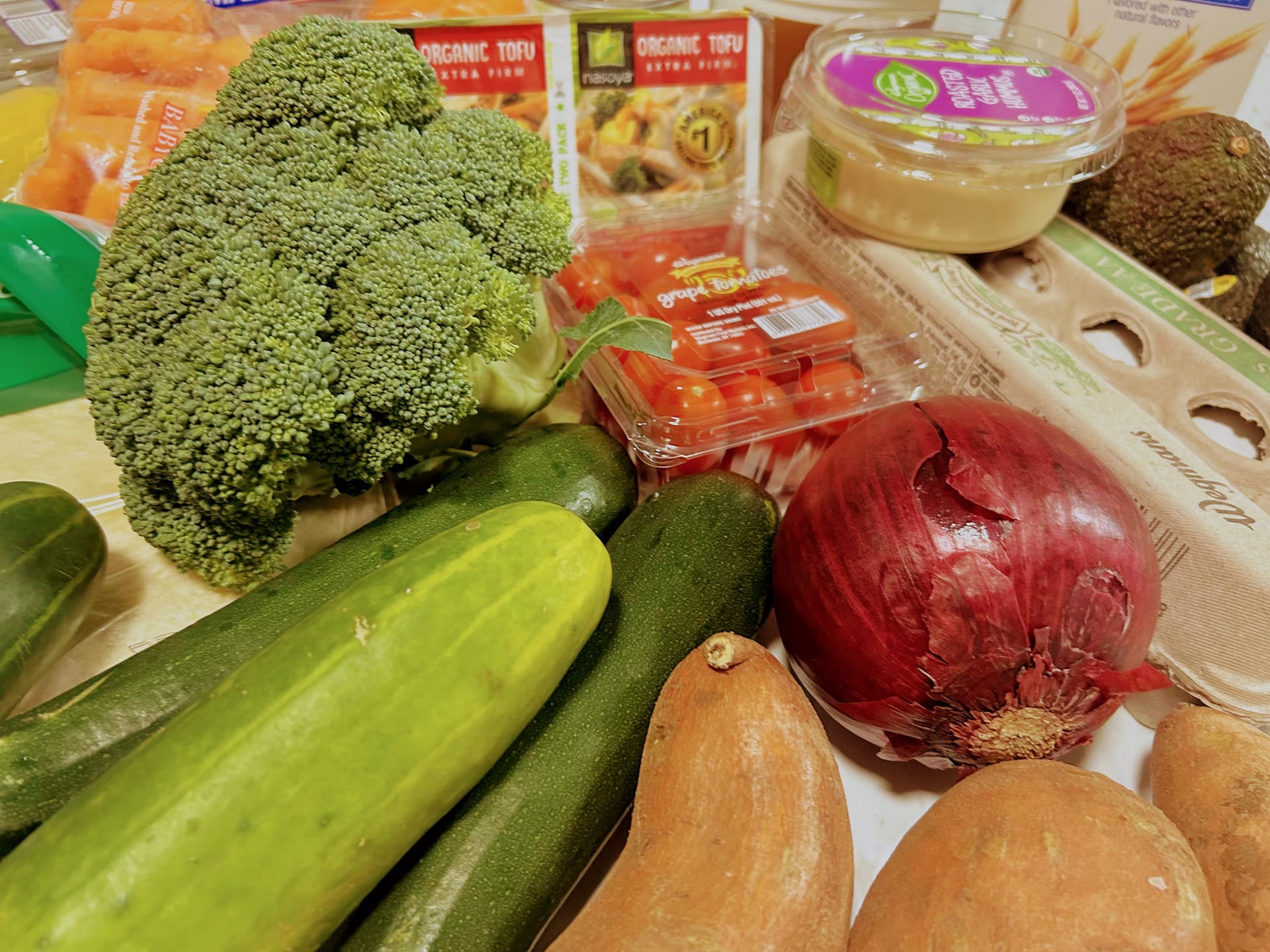
When you hear “seasonal eating,” you might picture weekly trips to the farmer’s market, shopping exclusively at Whole Foods, or completely changing the way you eat. In reality, it’s much simpler than that. It doesn’t require a huge overhaul of your life, just a different way of thinking. Seasonal eating is really just shifting your meals to match what’s naturally growing in your area during this time of year. This can result in fresher, cheaper, and more flavorful food once you get into it. I have been eating seasonally for a few years now, and it’s made my grocery shopping a lot easier and my plates more beautiful.
Beginner’s Guide to Seasonal Eating
Learn What Grows in the Seasons
This will be more in a general sense, but something to get you started. If you’d like a more detailed guide, I recommend keeping a Farmer’s Calendar nearby while you’re learning. I like having one in my kitchen so I can quickly check what’s in season throughout the year. (grab it here)
Spring
- Leafy Greens
- Asparagus
- Peas
- Radishes
- Strawberries
Summer
- Tomatoes
- Cucumbers
- Zucchini
- Peaches
- Berries
- Corn
Fall
- Apples
- Pears
- Pumpkin
- Squash
- Sweet Potatoes
Winter
- Citrus Fruits
- Cabbage
- Carrots
- Turnips
- Root Vegetables
- Winter Greens (kale, collard greens, spinach, mustard greens, Swiss chard)
You don’t need to memorize the list; you’ll start noticing patterns in the store.
Shop Season First
Before planning meals, ask yourself: what’s visually abundant? Produce at the farmer’s market or grocery store will tell you quicker than any book will.
If you’re a pre-planner like me, look at what’s currently on sale. Those are often the items stores are promoting because they’re in abundance and likely in season.
If you enjoy visiting farmer’s markets regularly, a sturdy market tote bag and reusable produce bags can make shopping for fresh produce much easier.
Build Meals Around Seasonal Produce
Instead of planning a recipe and buying the ingredients, reverse the process.
Example:
You find:
- Peaches
- Tomatoes
- Basil
And you can make:
- Fresh Salads
- Sandwiches
- Pasta dishes
- Fruit bowls
Don’t box yourself in with the idea of shopping for a recipe. Expand your mind when you find ingredients on sale and see how many things you can make with them.
If you’re bringing home lots of fresh produce, a set of glass food storage containers can help keep everything fresh longer and reduce food waste.
Eat With the Energy of the Season
Many people enjoy matching their meals to the feeling of each season.
Spring
Fresh, light, cleansing foods.
Summer
Cold drinks, salads, fruits, outdoor meals.
Fall
Comfort foods, soups, roasted vegetables.
Winter
Stews, warm drinks, hearty meals.
This isn’t a rule. It’s simply a way to feel more connected to the time of year.
I also love keeping a recipe journal where I can write down favorite seasonal meals and recipes to revisit the following year.
One of my favorite parts of seasonal eating is that it helps me notice the changing seasons a little more closely instead of rushing through them. It can simplify meal planning, spark creativity in the kitchen, and encourage you to try foods you may have otherwise overlooked. And if it helps lower the grocery bill along the way, that’s a win in my book.
If you found this guide helpful, I’d love for you to join my newsletter and explore more of my slow living guides.
Thanks for reading.
With love & moonlight,
Vintessa
Sacred musings | Mystic practices | Soft heart, wild spirit
Discover more from The Tranquil Vintessa
Subscribe to get the latest posts sent to your email.